With over 25 years of experience in elementary education, arts education, and leadership, I view arts integration as a crucial avenue to increase student engagement, create connections across multiple disciplines, and provide deeper learning experiences in various subjects. This page is dedicated to sharing implementation ideas, resources, and reflections on arts integration.
1st Grade Stories of America Final Project
After learning about American symbols in social studies, the students used readers’ workshop to memorize lines and speak with tempo, inflection, and fluency. In art, students created costumes and set pieces, learned the song lyrics and created some of their own in music class, and then performed for the community.
Stories of America Script Stories of American Songs Song List Lyrics
Elementary All Grades: Creating a Sound Collection
Create Your Own Opera Partnership Check out their website: Boston Lyric Opera Collaboration

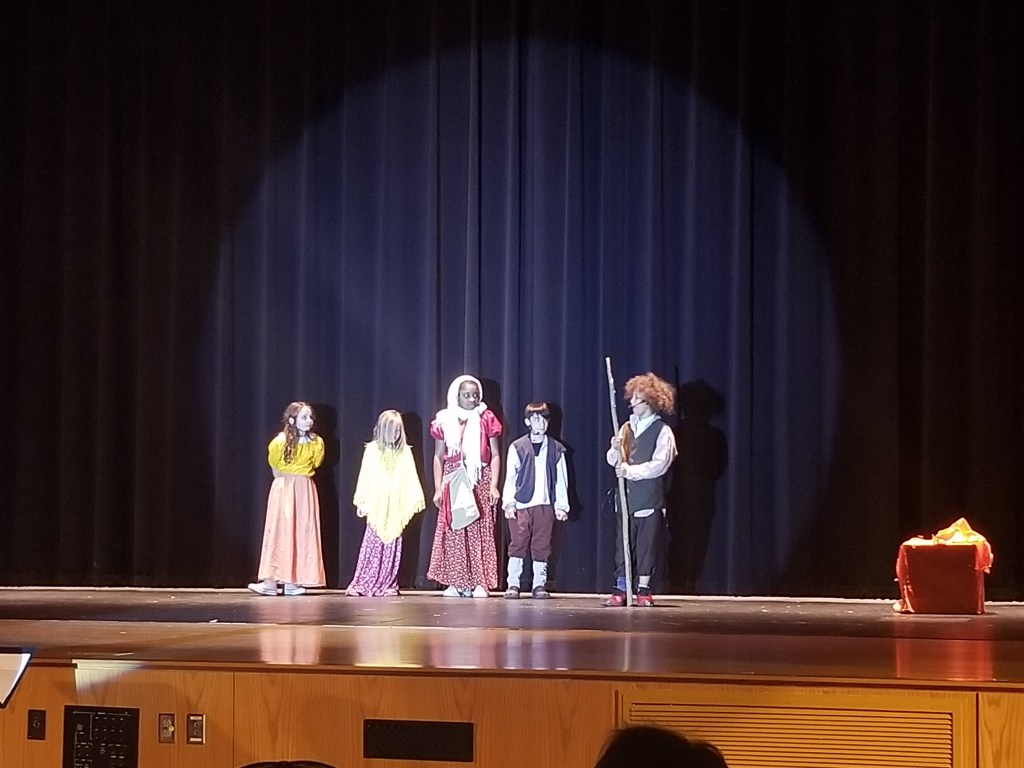
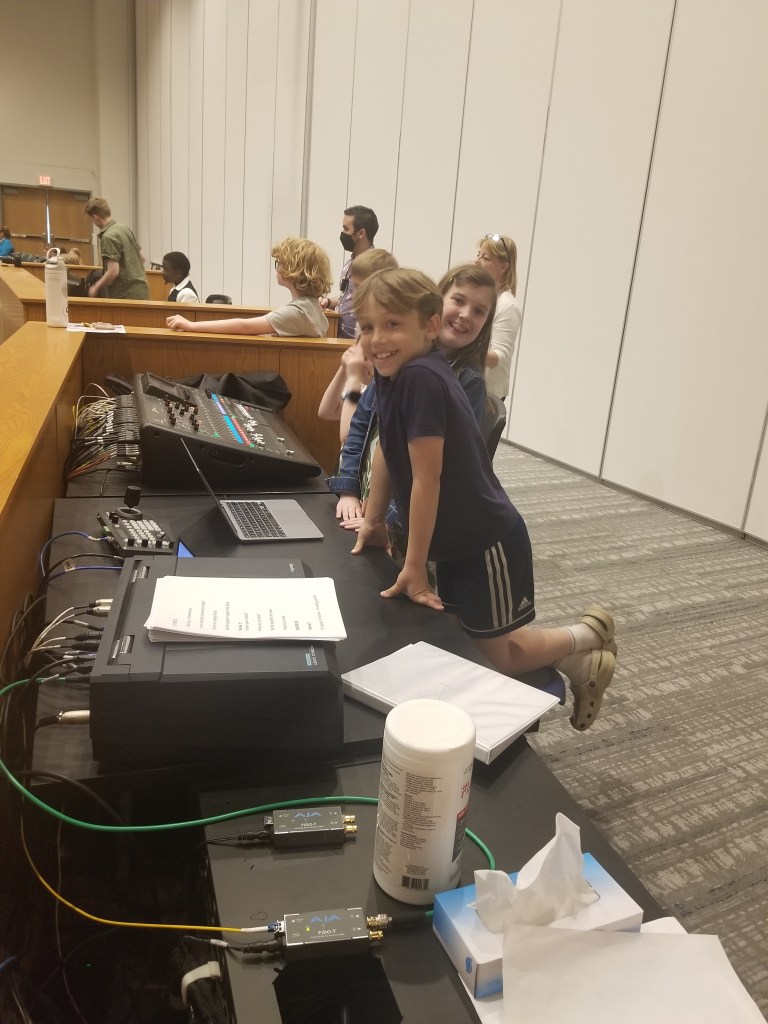
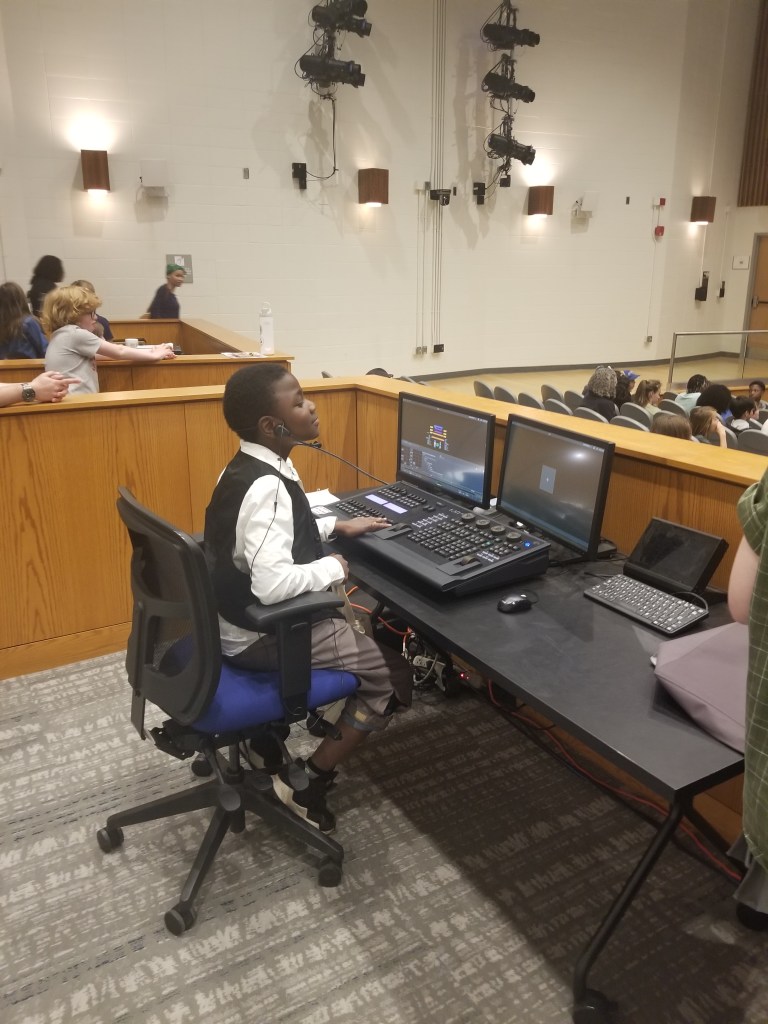


Synopsis: Creating Your Own Opera: Arts Integration and Community Partnership with Boston Lyric Opera
This presentation showcases a successful model for arts integration and community partnership between schools and the Boston Lyric Opera (BLO). The “Create Your Own Opera” program is a project-based, arts-integrated initiative that immerses students in the world of opera through a co-taught learning model.
Key Features and Benefits:
- Arts Integration: The program aligns with Massachusetts Arts Standards, utilizing all four artistic practices and integrating opera into core classroom curricula.
- Project-Based Learning: Students take ownership of the creative process, making artistic choices and developing artistic intent. This empowers them to create a full-scale opera production.
- Community Partnership: BLO provides crucial support to schools, including professional development for teachers, teaching artists, lesson plans, and curriculum resources.
- Co-teaching Model: The program facilitates collaboration between classroom teachers and teaching artists, fostering a rich learning environment.
- Student-Centered Approach: The program is designed to be student-centered, allowing students to collaborate and express themselves creatively.
This partnership demonstrates how arts organizations and schools can work together to provide transformative learning experiences for students, enriching their education through the power of opera.
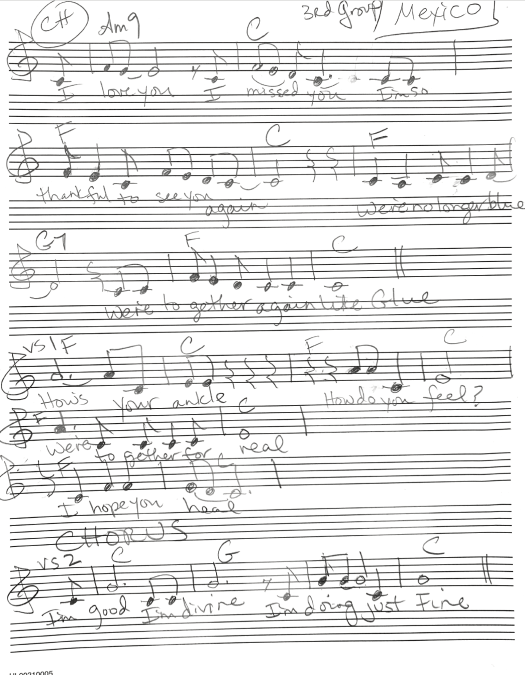
Students used a brainstorming rhyming process after identifying an emotional moment in the story. They brainstormed rhymes and answers and used those ideas to create the verse and chorus for the hiphop. Students created beats on a DAW platform that represented the emotion of the moment. They had to take into consideration style, tempo, instruments, and layering of the beat.
- Students created a melody with the BLO teaching artist.
- Using a process of natural inflection and experimentation, students created the sections of the song.
- Students used emotions of the characters and words that were not in the dialogue but were inferred to create the song lyrics.
🎶 Second Graders Compose Personalized Ringtones in Integrated Arts Project
As part of an innovative three-lesson integrated arts unit, second-grade students explored how music can convey emotions and memories by creating custom ringtones. Rooted in the National Core Arts Standards (Mu:Cr1.1.2b, Mu:Cr2.1.2b, MU:Pr5.1.2b, MU:Pr6.1.2a, MU:Pr6.1.2b), this project emphasized musical creativity, emotional expression, and digital composition.
🎯 Learning Goals:
- I can create music that shares a feeling with the listener.
- I can use musical elements in music creation.
- I can share my creation with others.
🎵 Enduring Understanding:
Music communicates feelings and memories through musical elements—such as rhythm, pitch, tempo, and dynamics.
📱 The Challenge:
Students were invited to design a ringtone they would assign to someone they love. The ringtone needed to express a specific feeling using rhythm and melody, allowing students to make personal, emotional connections through music creation.
Examples of remixed Ringtones.
🎓 Lesson Progression:
Lesson 1:
Students explored how rhythm can express emotion. After reviewing musical elements through an interactive presentation, they used Seesaw and Chrome Music Lab to create rhythmic patterns that could represent different moods.
https://musiclab.chromeexperiments.com/Song-Maker/song/5188942955020288
Lesson 2:
Building on rhythm, students were introduced to melody and used SongMaker on Seesaw to compose ringtones using pentatonic scales and visual patterns. They created short melodic loops to convey their intended emotions.
Lesson 3:
To deepen their compositions, students refined their pieces by adjusting tempo and dynamics, reinforcing how those elements shape the mood of music. They shared and discussed their ringtones with peers, practicing musical vocabulary and receiving feedback.
🧠 Differentiation & Engagement:
- Students had creative freedom with structured tools, allowing for personalized expression and low-barrier access.
- A variety of strategies—rhythm games, modeling, peer sharing, and tech tools—catered to diverse learning styles.
- The use of iPads and SeeSaw made this a real-world experience, reinforcing digital literacy while embedding music standards.
🔍 Formative Assessment & Feedback:
- Student work was evaluated through Seesaw submissions at the beginning and end of the project.
- Ongoing feedback came through peer interactions and teacher check-ins during work time.
💡 Reflection:
Students not only met learning targets, but also gained confidence in using music as a form of communication. This project created opportunities for meaningful conversation, creative risk-taking, and authentic self-expression—all while making music that could literally play a part in their lives.
https://docs.google.com/document/d/1G3CdUrq2FdQCZxT0LLI7zZBGGSIegy55LA_kihOnbsA/edit?usp=sharing
More coming soon!
 Blake Siskavich